.png)
Remington, Virginia: A River Town Shaped by Rails and Generations
Before Remington Had a Name

Long before incorporation, the area that would become Remington was valued for one simple reason: location.
The Rappahannock River served as a natural transportation route and resource for early settlers. Fertile land supported agriculture, and the river crossing made the area strategically important for trade and movement.
In the 19th century, as railroads expanded across Virginia, this quiet agricultural community gained new relevance. The arrival of rail lines transformed the area from farmland into a transportation hub.
With rail came commerce.With commerce came growth.And with growth came identity.

The Railroad Era: A Turning Point
Remington’s real transformation began when the railroad established a stop here in the mid-1800s. The town became a critical link between rural producers and larger markets.
Grain, livestock, timber — goods flowed through the rail lines that ran alongside the river. What was once a simple crossing evolved into a center of economic activity.
Railroads didn’t just move products — they moved people. Workers, families, merchants, and travelers passed through and settled here. Businesses emerged. Structures were built. A downtown took shape.
The bones of that era are still visible today in Remington’s historic buildings and layout.
Civil War and Strategic Importance
Because of its rail and river access, the area around Remington held strategic value during the American Civil War. While the town itself remained small, the surrounding region of Fauquier County saw troop movements and military activity tied to transportation routes.
Rail lines were critical infrastructure. Controlling them meant controlling supply chains. That placed towns like Remington within the broader story of Virginia’s wartime landscape.
Though Remington was not the site of a major battle, it sat within a corridor of military significance — a reminder of how even small communities are woven into national history.
Incorporation and Community Identity
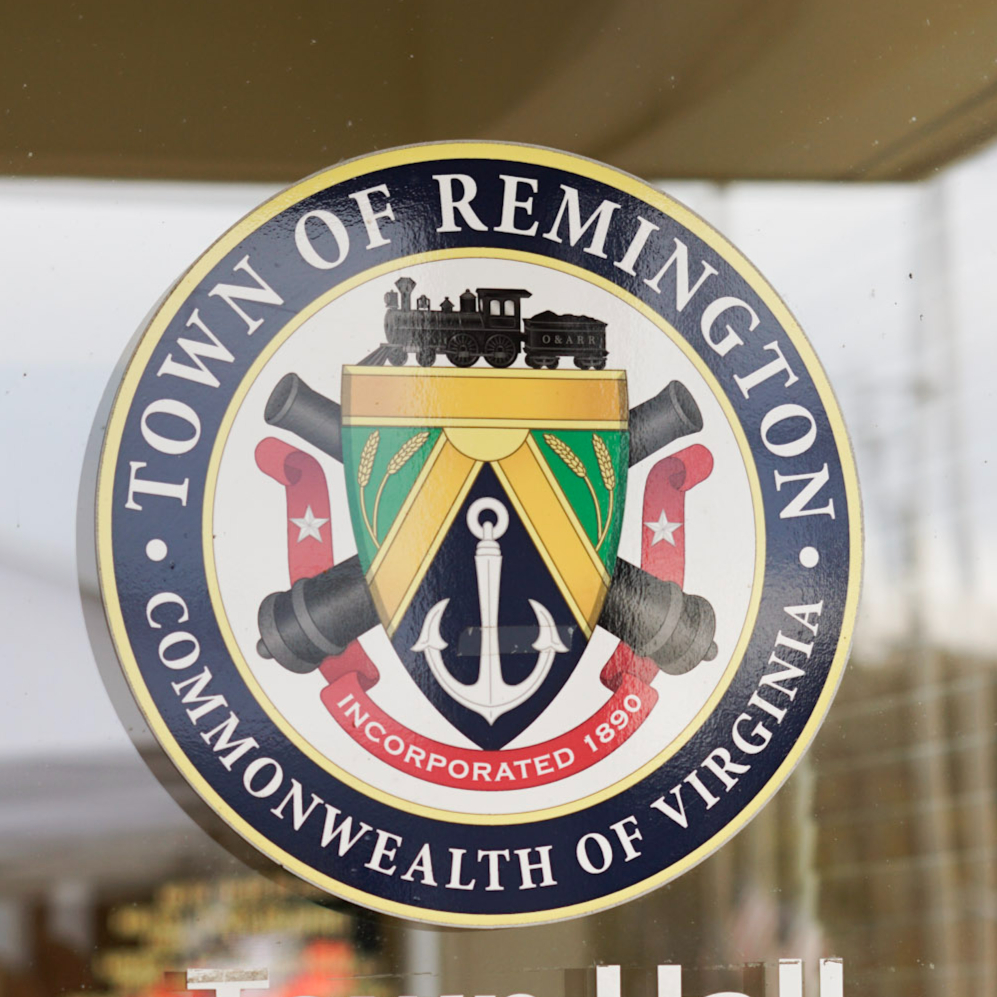
Remington was officially incorporated in 1890. By then, it had developed into a stable working town centered on agriculture, rail commerce, and local enterprise.
Incorporation marked more than a legal milestone — it solidified a civic identity.
Churches, schools, local government, and small businesses shaped the social fabric. Families laid down roots. Generations stayed.
Unlike boomtowns that rose and fell quickly, Remington grew steadily — grounded in agriculture and rail, not speculation.
Economic Shifts and Adaptation
As the 20th century progressed, rail dominance declined and economic patterns shifted. Like many small American towns, Remington faced the challenge of adapting to new transportation systems, suburban expansion, and changing industries.
Some rail lines quieted.Some industries moved.But the town endured.
Agriculture remained important. Local businesses sustained the economy. Proximity to larger towns and eventually to Northern Virginia’s growth corridor gave Remington strategic relevance once again.
What could have faded instead stabilized.

The Character of a River Town
The Rappahannock River continues to define Remington’s character. It provides recreation, scenery, and a tangible link to the town’s earliest days.
The river that once powered trade now supports community life.
Historic buildings still line portions of downtown. Streets reflect the layout shaped by rail and river. The scale remains intimate — a reminder that Remington’s strength has always been its grounded nature.
Remington Today: Preserving the Past, Building Forward
Modern Remington balances heritage with forward movement. While it is connected to the broader Northern Virginia region, it maintains the identity of a true small town.
Community events, local businesses, and civic pride keep history alive — not as nostalgia, but as foundation.
The story of Remington is not one of explosive growth or dramatic reinvention.
It is a story of:
Strategic geography
Railroad-driven opportunity
Agricultural backbone
Generational stability
Resilience through change
And that kind of history doesn’t disappear.
It builds character.


Comments